The Science and Practice of Forest Bathing: How Shinrin-Yoku Supports Health and Well-Being
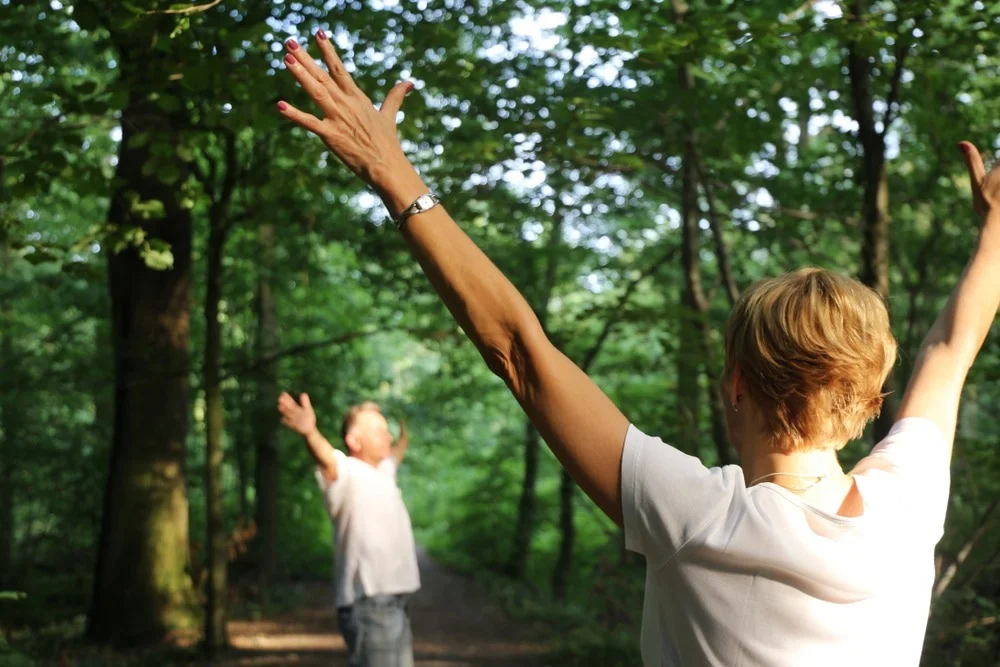
In our fast-paced, screen-filled world, finding simple ways to reduce stress and improve health has never been more relevant. One practice gaining global attention is forest bathing, known in Japan as shinrin-yoku. Far from a strenuous hike or workout, it is a mindful immersion in nature—engaging all your senses to connect deeply with the forest environment. Originally developed in Japan in the 1980s as a response to urban burnout, this practice has since been studied extensively and is now recognized worldwide for its evidence-based benefits on both physical and mental health.
Unlike traditional exercise, forest bathing emphasizes slow, intentional presence rather than distance or speed. You might walk gently along a wooded path, sit quietly listening to birdsong, or simply breathe in the forest air. The goal is not achievement but restoration. And the research shows it works.
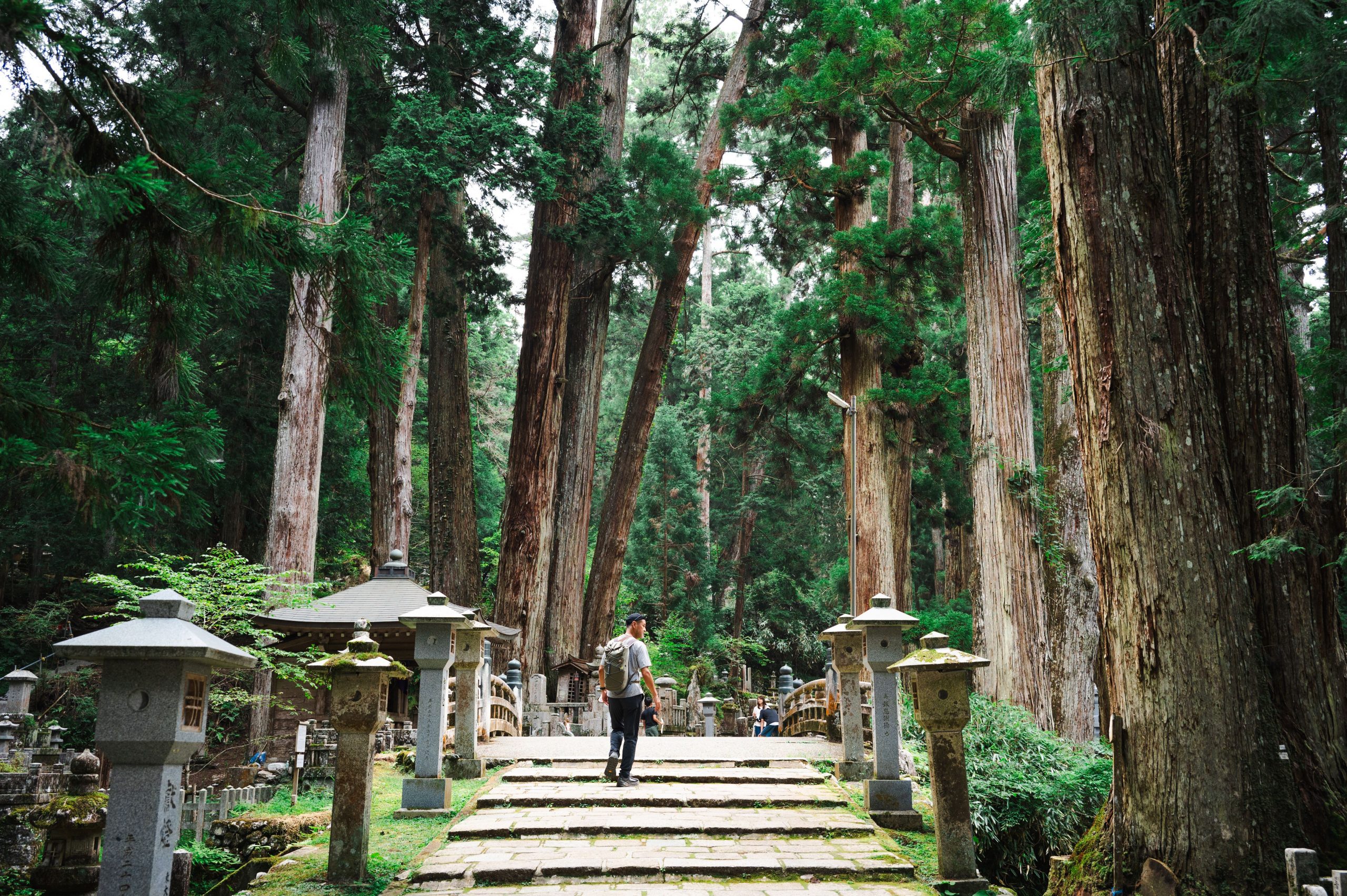
Forest Bathing in Japan: The Art of Shinrin-yoku | Walk Into Luxury
The Origins of Shinrin-Yoku
The term shinrin-yoku (literally “forest bath”) was coined in 1982 by the Japanese Ministry of Agriculture, Forestry, and Fisheries. It was introduced as a public health initiative to encourage citizens to spend more time in nature amid rapid urbanization and technological growth. What began as a cultural wellness practice quickly evolved into a subject of serious scientific inquiry.
Japanese researchers, including Dr. Qing Li and others, pioneered studies in the 1990s and 2000s that measured physiological changes before and after forest exposure. Today, forest bathing is formally integrated into Japan’s preventive medicine strategies, with certified forest therapy trails and guided programs across the country. Its principles have since spread to Europe, North America, and beyond, where it is often called “forest therapy.”
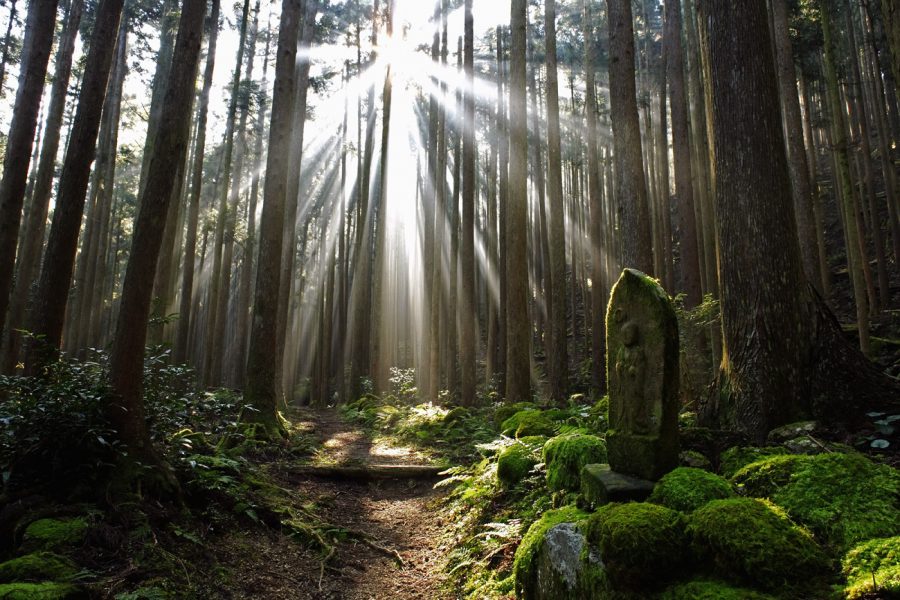
Forest Bathing: 'Shinrin-Yoku' Guide | InsideJapan Tours
What the Research Reveals: Physical Health Benefits
Decades of studies—many of them randomized and controlled—demonstrate measurable improvements from even short sessions of forest bathing. Here are some of the most consistent findings:
- Stress Hormone Reduction: Multiple meta-analyses show that time in the forest lowers cortisol levels, the body’s primary stress hormone. One 2019 review of eight studies found an average drop detectable after sessions as short as two hours.
- Blood Pressure and Heart Health: A 2025 study involving older adults with hypertension reported significant reductions after just three days of forest bathing—systolic pressure dropped by about 12 points and diastolic by 6 points compared to urban controls. A broader 2023 meta-analysis of 28 studies confirmed average reductions of 4.8 mmHg systolic and 3.8 mmHg diastolic. Heart rate also decreases, and autonomic nervous system balance improves.
- Immune System Support: Trees release phytoncides—natural antimicrobial compounds that protect plants from pests. When humans inhale them, research shows an increase in natural killer (NK) cells, which help fight viruses and even tumor cells. Effects can last up to a week or more after a single multi-day exposure.
These outcomes are not anecdotal; they appear consistently across small and larger trials conducted in Japan, China, Europe, and the United States.
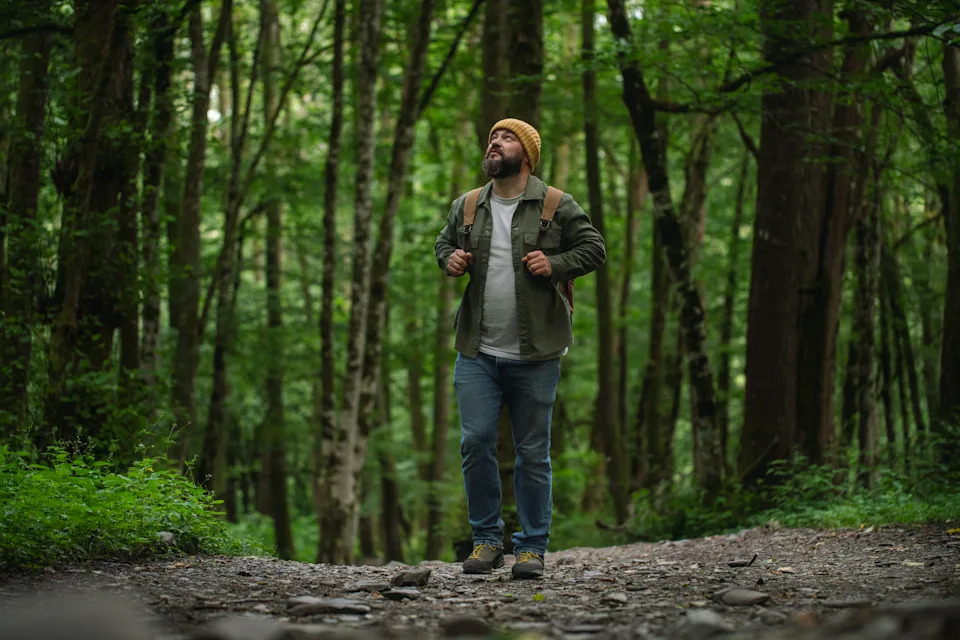
A short walk can boost your mood and increase clarity - here's how
Mental and Emotional Well-Being
The psychological benefits are equally compelling. Forest bathing has been shown to:
- Reduce symptoms of anxiety, tension, anger, and fatigue.
- Improve overall mood and vigor, with clinically meaningful drops in total mood disturbance scores.
- Support better emotional regulation and even help veterans with PTSD in pilot programs.
A 2026 systematic review and meta-analysis confirmed these mood enhancements, noting that the practice offers a low-risk, accessible complement to traditional mental health approaches. Participants often report greater clarity, creativity, and a renewed sense of calm that lingers long after leaving the woods.
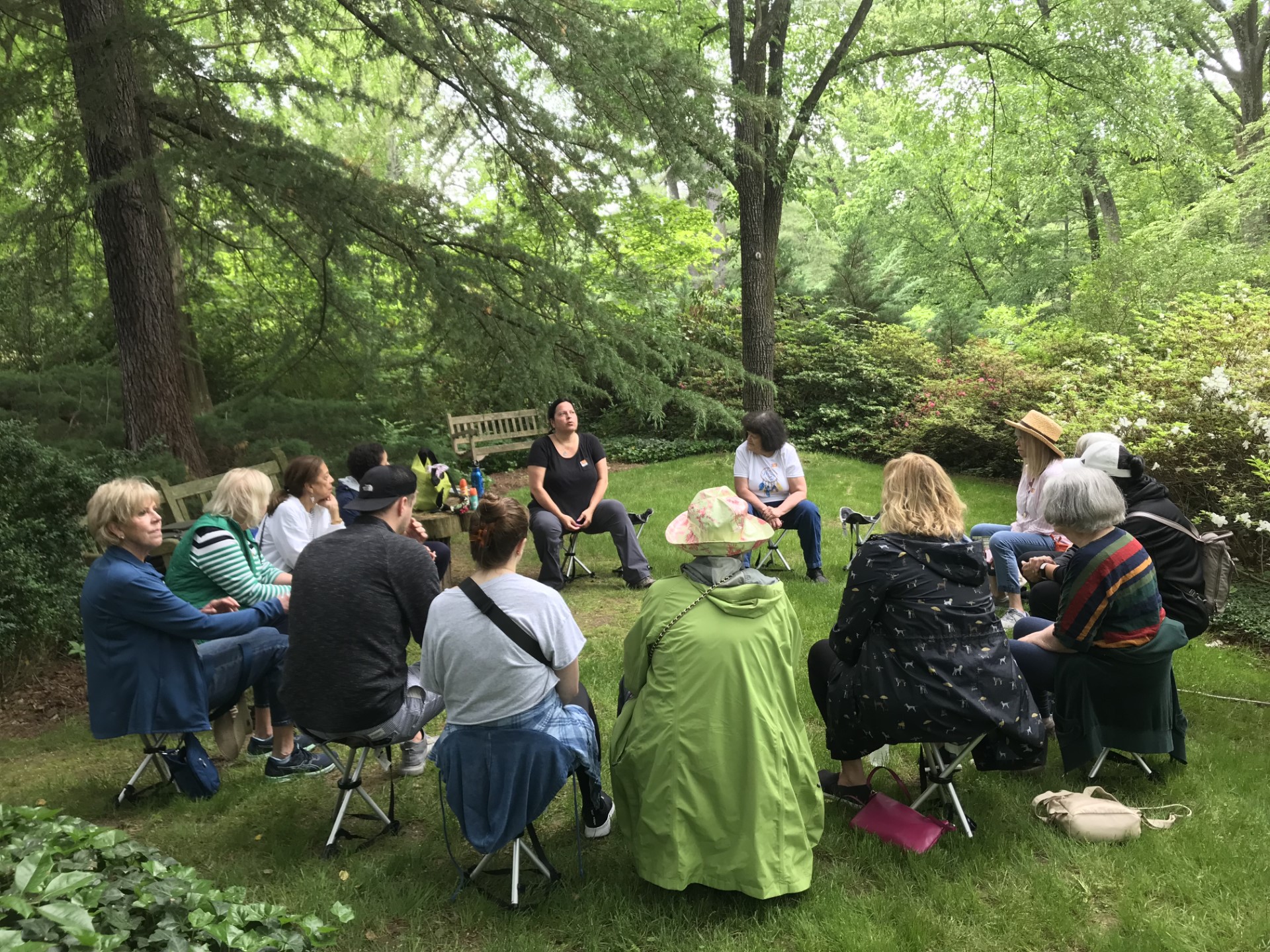
Guided Forest Bathing Walks | Hillwood Estate Museum and Garden
How to Practice Forest Bathing: A Practical Guide
You don’t need a remote wilderness or special equipment. The beauty of shinrin-yoku is its accessibility. Here’s a simple step-by-step approach you can try this week:
- Choose Your Spot — Any wooded area, city park with trees, or even a quiet backyard grove works. Aim for at least 20–30 minutes; two hours yields stronger effects.
- Leave Distractions Behind — Turn off your phone or put it on airplane mode. This is time for your senses, not screens.
- Engage All Five Senses
- Sight: Notice the play of light through leaves or the variety of greens.
- Sound: Listen to wind in the trees, birds, or your own footsteps.
- Smell: Breathe deeply to catch the earthy, resinous scents of phytoncides.
- Touch: Feel tree bark, moss, or leaves (safely).
- Taste: If appropriate, notice the fresh air or sip water mindfully.
- Move Slowly or Sit Still — Wander without a destination. Pause often. Sit on a log or lean against a tree. Let your body and mind settle.
- End with Reflection — Take a few moments to notice how you feel before returning to daily life.
Even urban dwellers can benefit. Studies show that city parks with dense tree cover produce similar (though sometimes milder) effects to deep forests.
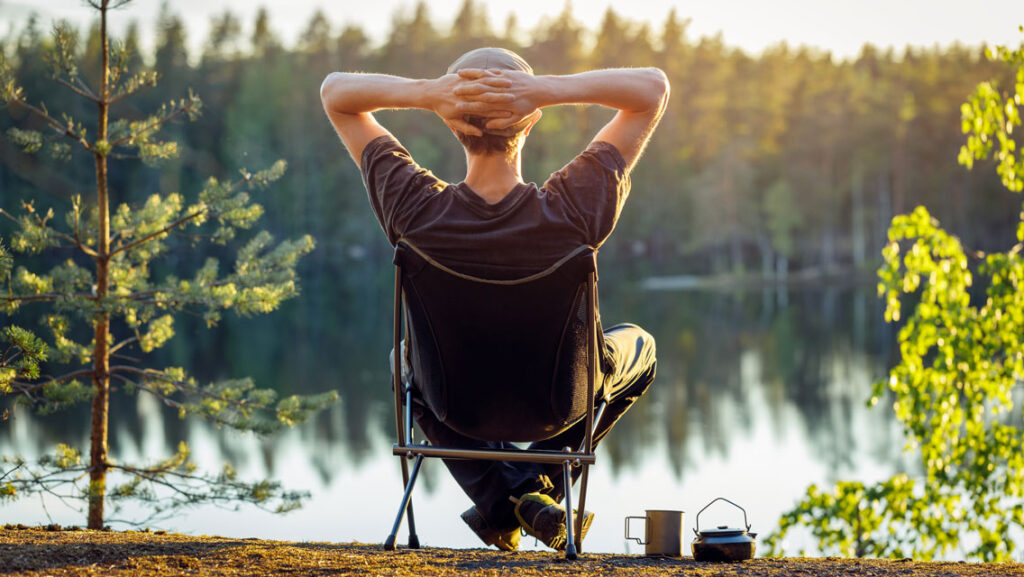
Nature Quest: The Health Benefits of Spending Time Outdoors
Why Forest Bathing Matters in 2026
With rising awareness of burnout, chronic stress, and the mental health impacts of modern life, forest bathing offers a free, evidence-supported antidote. It requires no cost, no membership, and no special skills—just intention and access to green space. As more cities invest in urban forests and wellness programs incorporate nature therapy, this ancient-yet-modern practice is becoming a mainstream tool for preventive health.
The most powerful aspect? Consistency. Regular short sessions compound over time, supporting resilience against daily stressors while enhancing overall quality of life.
Next time you feel overwhelmed, consider stepping into the nearest patch of green. Your body and mind may respond in ways the latest research continues to confirm: calmer, healthier, and more connected.
This article draws on peer-reviewed studies and meta-analyses published through 2026, including research from Japan, Europe, and the United States. Always consult a healthcare professional before making significant changes to your wellness routine.