Now Reading: Mark Carney: A Career at the Center of Global Finance
-
01
Mark Carney: A Career at the Center of Global Finance

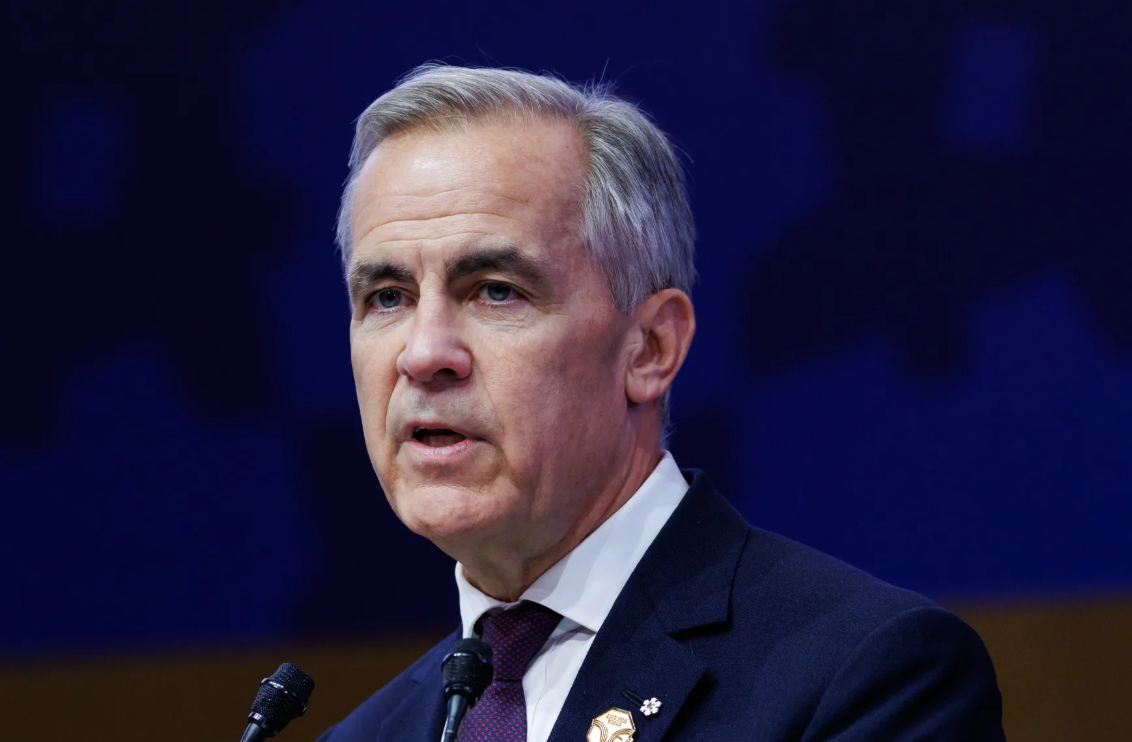
Mark Carney has built a career that places him among the most influential economic policymakers of the 21st century. Known for his steady approach during times of crisis and his ability to bridge public and private financial systems, Carney’s professional journey reflects both technical expertise and a broader vision of how finance interacts with society.
Born in 1965 in Fort Smith, Northwest Territories, Canada, Carney pursued his education with a focus on economics, first at Harvard University and later at the University of Oxford, where he completed his doctoral studies. This academic foundation provided him with a strong analytical framework that would later define his approach to monetary policy and financial stability.
Before entering public service, Carney spent over a decade at Goldman Sachs, working across major financial centers including London, Tokyo, New York, and Toronto. His work exposed him to global capital markets, sovereign debt issues, and financial crises in emerging economies. This period proved formative, equipping him with practical insights into how markets behave under stress.
Carney’s transition into public service came when he joined the Bank of Canada, eventually becoming its Governor in 2008 at the height of the global financial crisis. During his tenure, Canada’s banking system remained relatively stable compared to many other developed economies. His policies emphasized liquidity support, clear communication, and confidence-building measures—elements that contributed to Canada’s comparatively resilient recovery.
In 2013, Carney took on a new challenge as Governor of the Bank of England, becoming the first non-British individual to hold the role. His tenure coincided with a period of significant uncertainty, including the aftermath of the global crisis and the economic implications of Brexit. Carney introduced forward guidance as a communication tool, aiming to make monetary policy more transparent and predictable. His leadership was marked by efforts to maintain financial stability while adapting to political and economic shifts.
Beyond central banking, Carney has increasingly focused on the intersection of finance and climate change. He has advocated for the integration of environmental risks into financial decision-making, emphasizing that climate change is not only an environmental issue but also a systemic financial risk. His work in this area reflects a broader shift in global finance toward sustainability and long-term risk assessment.
Carney’s career illustrates the evolving role of central bankers—from technical policymakers to public communicators and global thought leaders. While opinions on his policies vary, particularly regarding the long-term effects of low interest rates and market interventions, his influence on modern financial governance remains substantial.